Center for Evolving Computer Science Education (CS@AIR)
In the 21st century, computer science is both an academic discipline and a fundamental literacy. CS@AIR builds, uses, and leverages evidence to ensure that every student has access to inclusive and high-quality CS education.

Over the last 20 years, computing technologies have become essential in the lives of teachers, students, and adults. So, providing high-quality computer science education to every student is urgent. This education helps students become skilled users of technology and empowers them to create technology that meets the needs of their families and communities.
CS@AIR is a group of dedicated researchers and technical assistance providers working to improve access to computer science education across the country. Our project teams use expertise in computer science, instructional design, culturally responsive teaching, STEM learning, and various research methods to answer questions and develop resources for computer science education stakeholders.
Featured Project
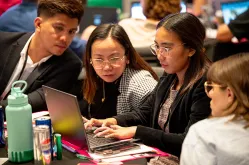
To help expand computer science education and prepare a competitive modern workforce, Pennsylvania introduced grants through the PAsmart Initiative to support CS teacher professional development and the creation of cross-sector partnerships in K-12 CS and STEM education. AIR has conducted evaluations of these grants to understand the experiences of grantees.
Our Impact
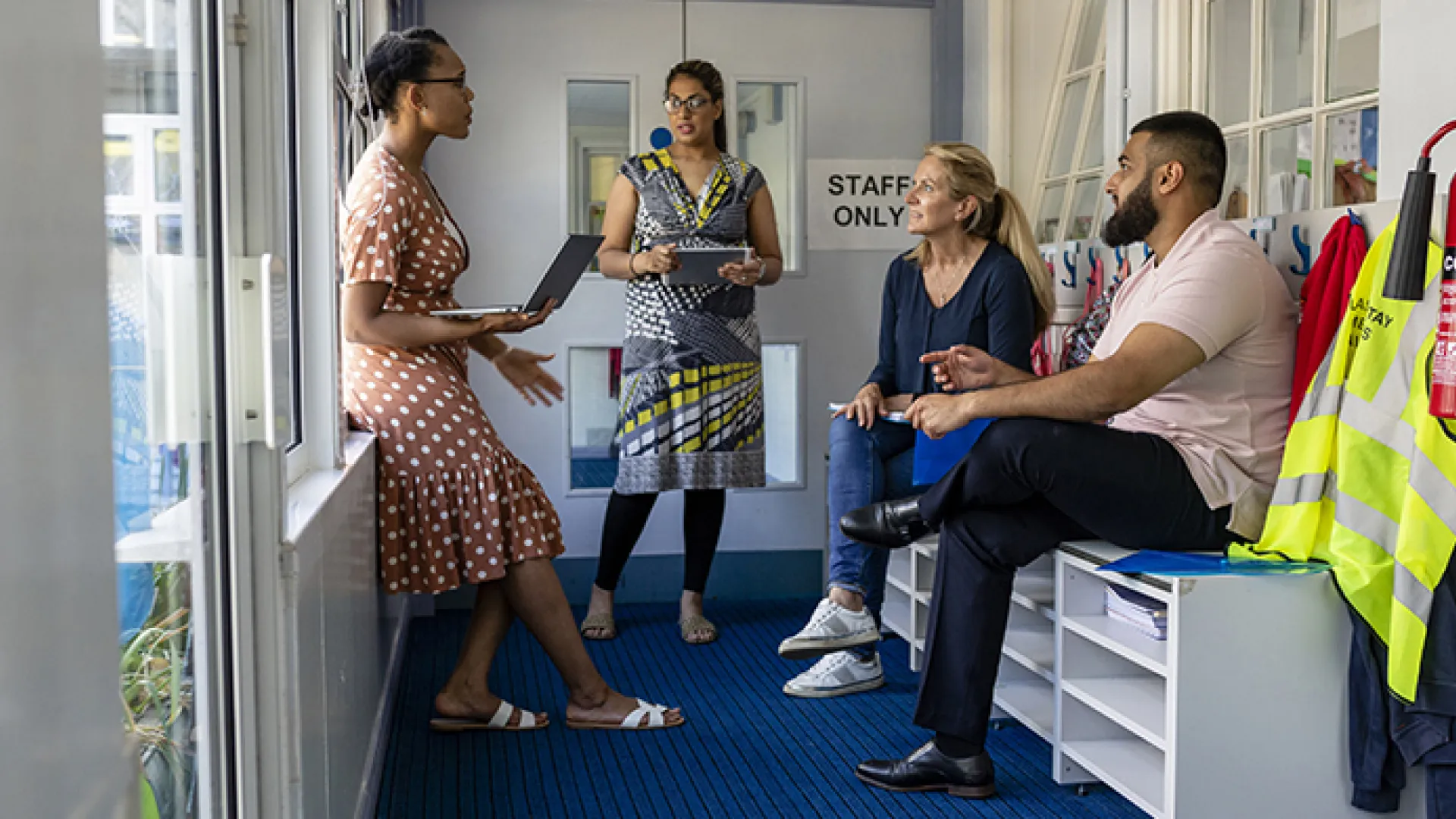
At CS@AIR, we believe that computer science is both an academic discipline and a fundamental literacy in the 21st century. Our projects show how we use evidence to ensure every student has access to high-quality computer science education.
Explore all our projects or view them by category:
- Researcher-Practitioner Partnerships (RPPs), emerging approaches in which researchers work with teachers, counselors, and school administrators as equal partners to address complex and persistent problems of practice in the field.
- Evaluations that span from designing and implementing studies as part of research funded by the U.S. Department of Education.
- Micro-credential and educator professional learning programs being explored by school districts and states as an alternative pathway for computer science teacher licensure.
- Alliances, consortia, and communities of practice, models of collaboration in recognition that not a single person or entity has all the answers, resources, or solutions.