AIR 2025 Highlights: Driving Change, Building Partnerships, and Exploring New Approaches
Since 1946, AIR has been generating and using evidence to help people live better lives. Even amid much change in 2025, that work continued. We supported efforts to improve health systems and outcomes; strengthened education and workforce opportunities; studied the best ways to help people overcome everyday economic challenges; and began bolstering the evidence base on artificial intelligence.
Guided by our mission, here are just some of the ways that AIR drove change, built partnerships, and explored new approaches to expanding opportunities and improving lives in 2025.
Driving Change
Helping States Prepare for a Major Medicaid Policy Change
Implementing federal policy is complex and resource-intensive. By Jan. 1, 2027, states must implement a Medicaid policy requiring certain beneficiaries to regularly demonstrate that they’re working, volunteering, or participating in approved community engagement programs to maintain coverage. AIR experts compiled key lessons learned from a recent Medicaid policy implementation experience—the Unwinding—to help states prepare for this upcoming policy change.

Studying the Connections Between Food Security and Self-Help Groups
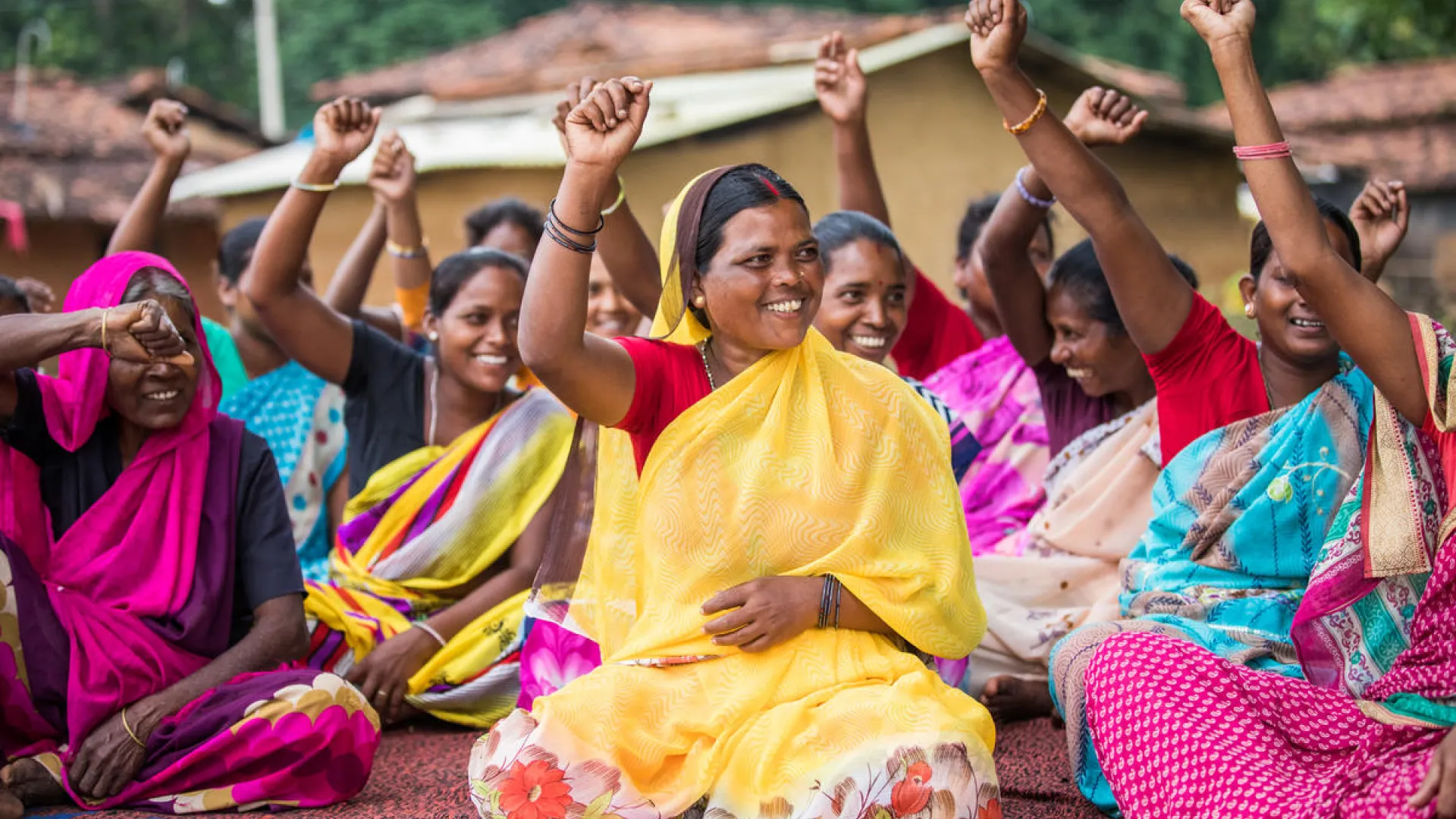
Women’s self-managed community-based groups can counteract barriers related to education, employment, and health status. With funding from the Gates Foundation, as part of the Evidence Consortium on Women's Groups, AIR researchers examined how Nigerian women’s participation in formal and informal savings groups, which provide their members with access to basic needs, affect food security. While the study found that informal savings groups were associated with improvements in food security, these improvements diminished over time.
Supporting the Safety of Organ Transplantation
Organ transplants are lifesaving but involve complex eligibility decisions and high safety and ethical standards. Under a contract with the Heath Resources and Services Administration, AIR provides strategic and administrative support to the Organ Procurement and Transplantation Network (OPTN) Board of Directors, which governs the U.S. organ donation and transplantation system. As part of that work in 2025, AIR aided federal decisionmaking around decertifying a major organ procurement organization over longstanding safety concerns.

Understanding the Youth Fields Workforce
Young people’s development, well-being, and growth are greatly influenced by mentors, coaches, afterschool workers, and the other adults who make up the youth fields workforce. However, not much is known about these adults’ career paths and professional learning, well-being, and compensation. The Power of Us survey, led by AIR and funded by the Wallace Foundation, provides needed insights into these topics, based on responses from more than 10,000 workers in youth fields.
Improving the Affordability of Sickle Cell Disease Treatment
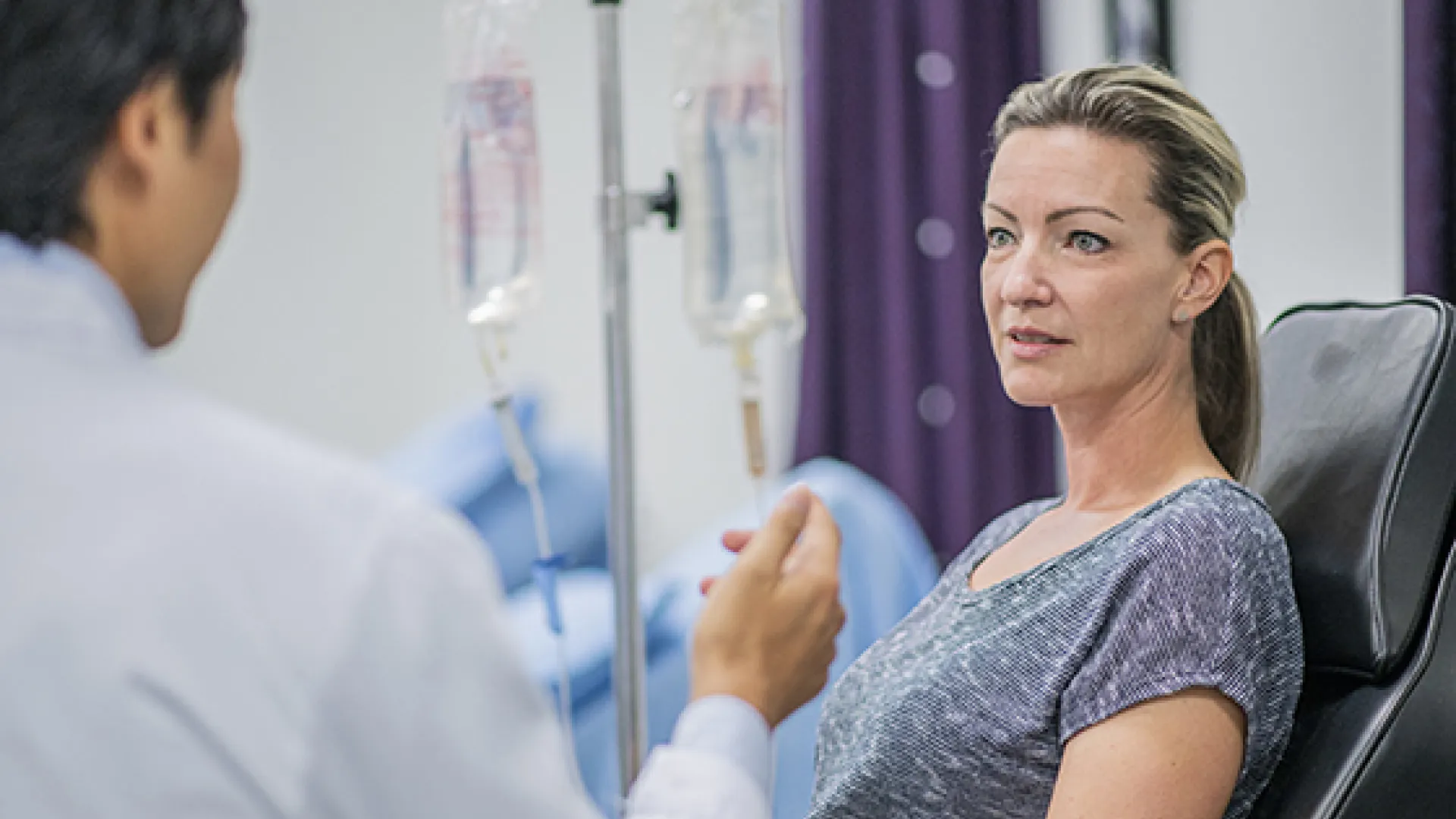
Cell and Gene Therapy (CGT) is a powerful treatment for people with sickle cell disease but can be out of reach for many patients because of cost. The Centers for Medicare & Medicaid Services (CMS) CGT Access Model aims to make these life-changing treatments more affordable for state Medicaid programs and beneficiaries. CMS this year negotiated outcomes-based agreements with CGT manufacturers on behalf of Medicaid agencies in 33 states; Washington, D.C.; and Puerto Rico. AIR monitors the implementation and outcomes of the CGT Access Model and conducts comprehensive environmental scans and data analysis.

The AIR Opportunity Fund:
Empowering People, Strengthening Communities
Through the AIR Opportunity Fund, we are partnering with local leaders and organizations to expand access to education, create pathways to good jobs, enhance neighborhood safety, and promote health and well-being. From launching new place-based initiatives to growing the next generation of social scientists in the U.S. and Africa through the AIR Pipeline Partnership Program, this year we invested in projects that translate research into results and make a measurable difference in people’s lives.
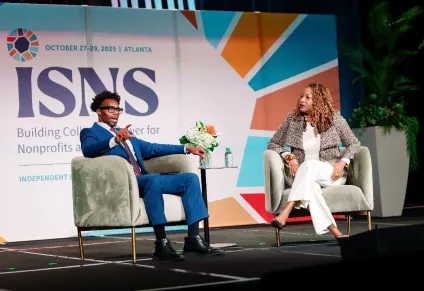
Above: AIR Opportunity Fund Executive Director Rashawn Ray and Independent Sector President and CEO Akilah Watkins at a fireside chat on Advancing Opportunity Through Evidence and Action.

Identifying the Positive Effects of Afterschool and Summer Learning Programs
Students participating in afterschool and summer programs funded by the 21st Century Community Learning Centers receive a range of services, including tutoring, learning support, and activities. A blog post shares research showing how these programs positively impact students’ academic performance and well-being.
Strengthening Student Attendance Through Better Text Messaging
Many schools use text messaging to inform families about attendance and other issues, but AIR has found that successful campaigns account for families’ preferences around message content. To refine or create their own text messaging campaigns, education leaders can use a set of AIR-developed resources that are rooted in feedback from families and schools.

Celebrating 50 Years of IDEA
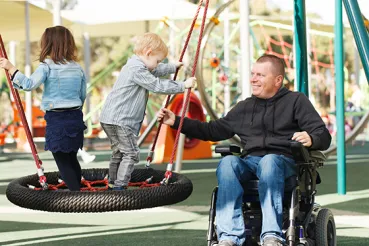
While the Individuals with Disabilities Education Act (IDEA) expanded access to education for students who otherwise would have been excluded, challenges remain to help students with disabilities reach their full potential and to support and maintain the special education workforce. In a series of videos and written pieces, AIR experts reflected on IDEA’s history and reviewed the obstacles that stand in the way of the law’s continued success.
Explore Our Impact
We work alongside government leaders, businesses, and communities to develop practical, research-backed solutions that strengthen the economy, improve schools and job training programs, and make health care better for everyone.
Learn more about how AIR is making a difference.
Building Partnerships
Keeping Students on Track to Graduate
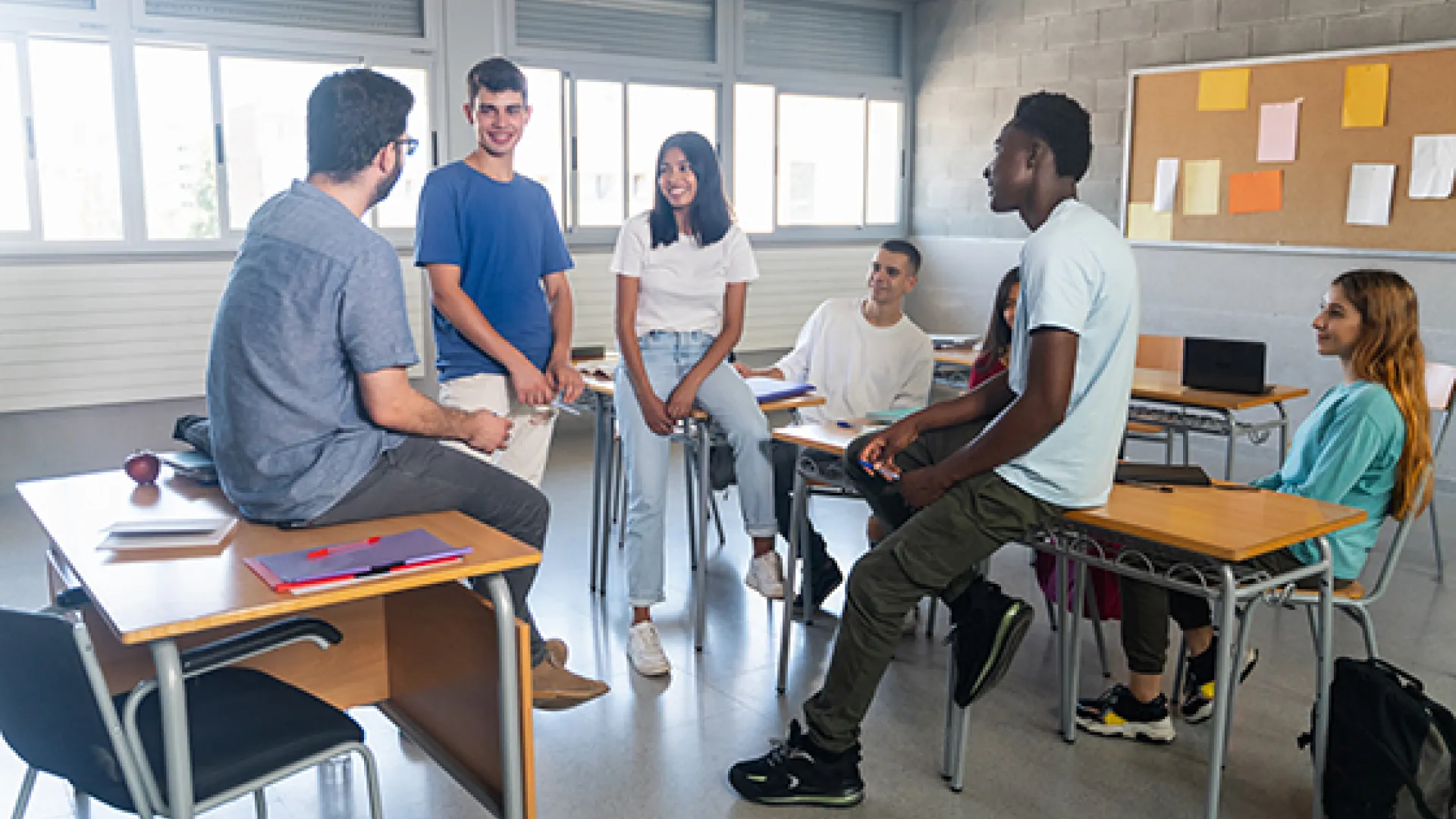
Through the GRAD Partnership—which includes AIR and other organizations—schools receive coaching, data, and tools to reduce student absenteeism, create a culture of belonging, and prevent students from failing courses. A report shows that schools participating in the partnership have made progress in implementing systems to keep more students staying on-track to graduate high school and achieve post-secondary success.
Promoting Evidence-Based Development in Africa
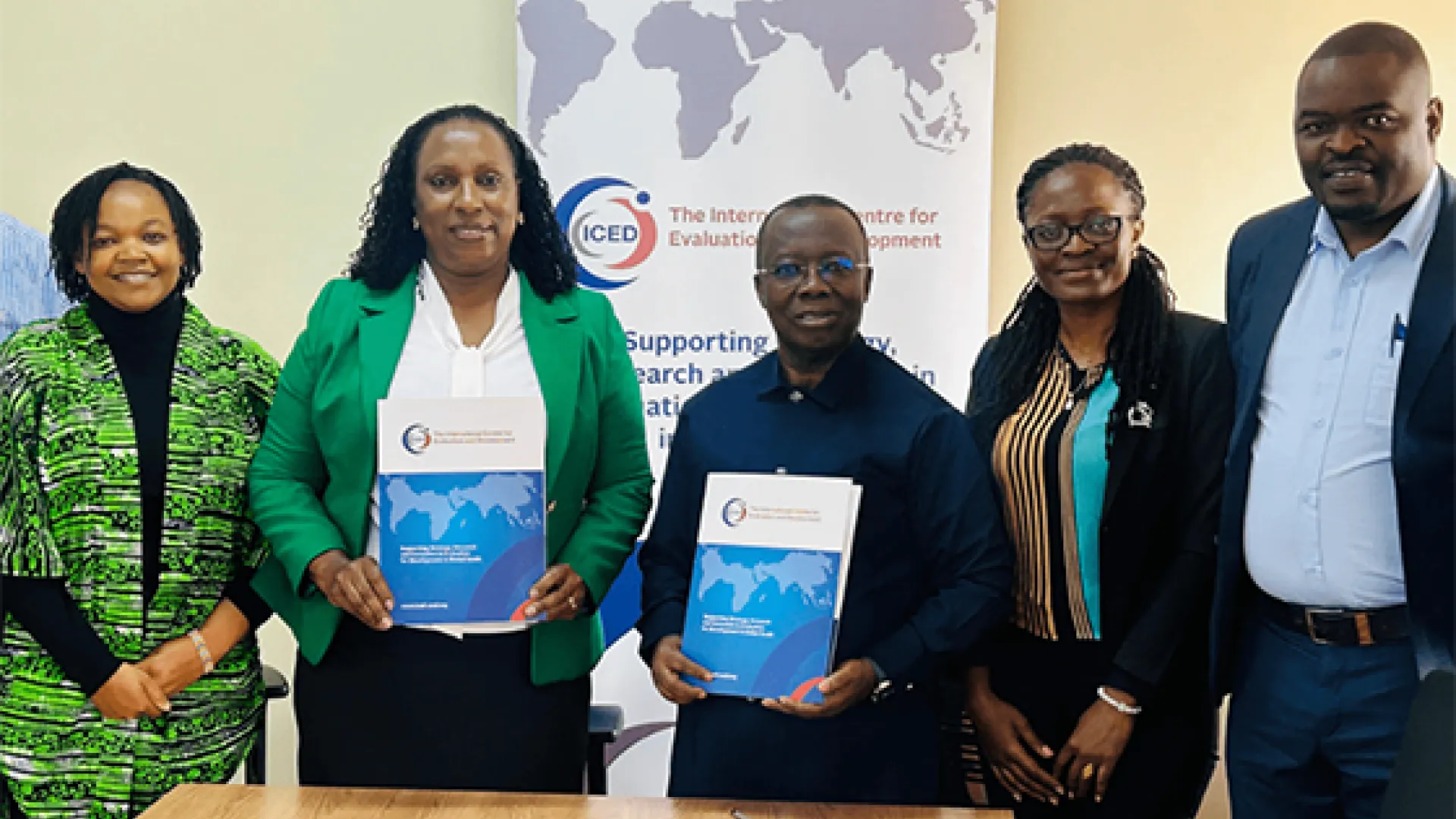
AIR and the International Centre for Evaluation and Development are partnering to strengthen evidence-based development, research, and innovation across Africa and globally. Through this partnership, the two organizations will co-create and implement high-impact initiatives in agriculture and food systems, monitoring and evaluation, women’s economic empowerment, and data and knowledge management.
Supporting Our Local Communities
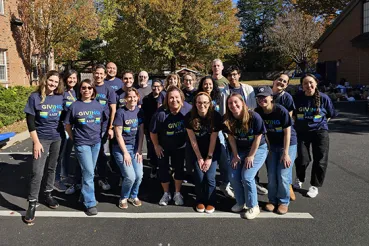
Through the AIR Champions for Change initiative, AIR celebrates staff who put their values into action in service of others and donates to mission-aligned nonprofits where our staff volunteer. From community clean-ups in Baltimore to reading books to children in family shelters in Denver, the 2025 AIR Champions for Change embody AIR’s mission in action.
Above: AIR colleagues teamed up in November to sort 64,000 pounds of donated food—helping the Arlington Food Assistance Center ensure local families have access to nourishing meals during a time of growing need.

Expanding Economic Opportunity for Youth
In partnership with the Brookings Institution, AIR explored how programs offered by state workforce agencies, local workforce development boards, and others can help set youth on a path to economic success. A recently released brief compiles insights from leaders of those programs and describes how philanthropic and government funders can adapt their strategies to encourage and expand innovations.
Helping States Accelerate Apprenticeship Expansion
States are embedding apprenticeship programs into education, workforce development, and economic systems, as well as expanding apprenticeship availability into new industries. AIR helps states grow and strengthen apprenticeship systems through research, strategy support, and technical assistance.


The Case for Evidence
Writing in Real Clear Health, AIR President and CEO Jessica Heppen argues that evidence can make the U.S. federal government more efficient and effective. She shares examples of how AIR is working with the federal government to strengthen health care.

Building Capacity for Evidence-Informed Decisionmaking in Education
As states work to build and sustain an education system that fits their unique needs, AIR serves as a research partner to support decisionmaking on policy, practice, evidence generation and use, implementation support, continuous improvement, strategic planning, and more. Our experts work with state leaders to reimagine education systems that both improve learning outcomes and integrate critical evidence-based strategies to broaden and sustain ongoing success.
Exploring New Approaches
Learning How AI Can Support Education
AIR launched the AI in Education Research Network to help educators, school and district leaders, and policymakers make sound decisions around tools enabled by artificial intelligence (AI). Through the network, AIR researchers will conduct six coordinated studies to examine how schools across the country are using AI to support instruction, assessment, professional learning, and data-driven decisionmaking.


Elevating Youth Voices in Policy Research
Typically, researchers who focus on juvenile justice have not partnered directly with young people. But in Wisconsin, young people are working alongside AIR experts to co-create and conduct a mixed-methods study to understand youth involvement in the justice system. The AIR team chose this approach to ensure that the project reflected the real-life experiences of young people. These young researchers also play an important role in helping the AIR team connect with other youth who are affected by the justice system.
Making Classroom Observation More Efficient
Teachers need feedback to grow professionally and keep their students engaged. The Classroom Automated Feedback Environment (CAFE), operated by AIR and Urban Assembly, helps save teachers and their coaches time by using AI to scan observational videos of teachers in the classroom and provide metrics on classroom management, student engagement, and classroom climate. That way, peer coaches can focus on discussing the metrics and teachers can concentrate on areas for improvement.


Creating Healthier School Environments
Environmental factors like air quality and school building design affect student learning, attendance, and well-being. AIR experts developed a series of free practice guides with ideas, tools, and tips grounded in research that can help teachers, school leaders, parents, students, and community advocates make their school environments healthier.
Advancing Quality of Care and Behavioral Health Outcomes in Medicare and Medicaid
The Innovations in Behavioral Health Model, operated by the Centers for Medicare & Medicaid Services (CMS), aims to improve the quality of care and physical and behavioral health outcomes for Medicare and Medicaid recipients who have moderate to severe mental health conditions or substance use disorders. AIR supports implementation and monitoring of the model, which aims to integrate and coordinate care through a whole-person approach that addresses behavioral and physical health, as well as housing, food, and transportation. Three states are part of the first cohort, and CMS is seeking additional states to join a new cohort.