Taylor Melanson is a researcher in the Evaluation, Methods, and Analytics program area within the Health Division at AIR. He is a health economist with training and experience in quantitative research, econometric analysis, program evaluation, and causal inference using experimental and quasi-experimental research methods. His areas of expertise include chronic ...
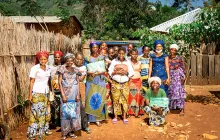
Through the AIR Opportunity Fund, AIR provided funding to generate and apply evidence on a community engagement program in Eastern Democratic Republic of the Congo (DRC). AIR partnered with Women for Women International (WfWI) to study the implementation and impact of WfWI’s Change Agent Program.
In this blog post, AIR TA Consultants Erin Cyman and Amy Beller discuss apprenticeships as a potential solution for the shortage of teachers in U.S. schools from early education through high school.
This resource provides a basic understanding of secondary Career and Technical Education programs and specific steps that can be taken to implement system alignment strategies between these CTE programs and Apprenticeships.
AIR has identified five key elements for successful apprenticeship expansion based on our experience supporting and coaching states to design and implement their apprenticeship efforts. These five elements provide an effective framework for implementing sustainable, scalable apprenticeship expansion initiatives. ...
The AIR Equity Initiative is investing its time, expertise, and financial resources into reimagining policing and public safety in the United States. In this blog post, Senior Program Officer Shakira Munden describes our how these AIR-funded grants will help shape a new vision of justice.
The purpose of this white paper is to provide the National Center for Education Statistics, the National Assessment Governing Board, and the NAEP research and policy community with a summary of issues and evidence affecting framework and trend policies.
USAID's Monitoring and Evaluation Support Activity in Bosnia and Herzegovina (BiH) is an extension of the MEASURE-BiH Activity, which evaluated the impact of development programs in BiH and built the capacity of local stakeholders to conduct evaluations and social science research to inform policy and programming. ...
The Indigenous Student Identification Project will work directly with state and local education agencies, tribes, federal agencies, and national Indigenous education stakeholders to improve Indigenous student identification policies and practices.
States have the flexibility to set Medicaid payment rates for providers consistent with federal regulations that require payments promoting the Medicaid program’s economy and efficiency. As supplemental payments are now a major source of Medicaid reimbursement for providers in many states, both the U.S. Government Accountability Office and the Medicaid and ...