National Disability Employment Awareness Month (NDEAM)
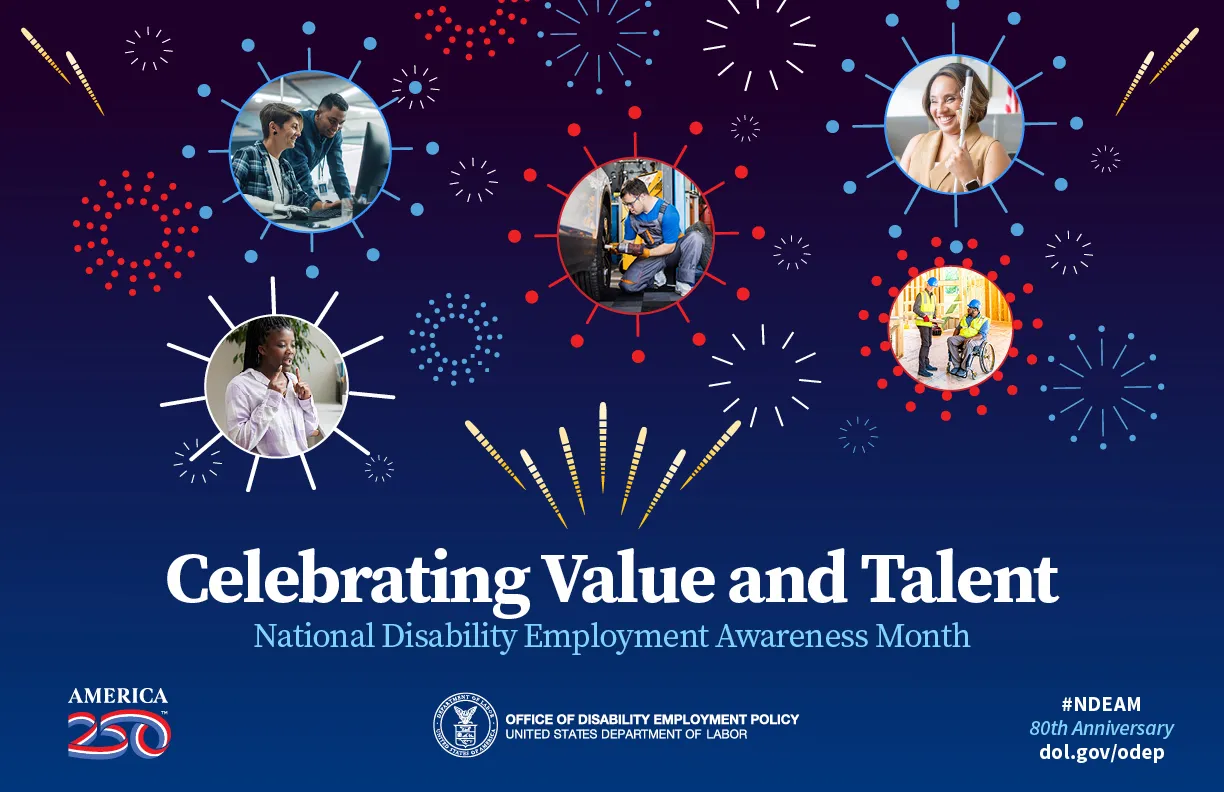
October is National Disability Employment Awareness Month (NDEAM). Paving the way for people with disabilities to receive high-quality training or higher education and be prepared to enter the workforce not only benefits people with disabilities directly, but also benefits their families, businesses, and communities. Although hiring practices that support the contributions of workers with disabilities can benefit the entire workforce, workers with disabilities experience higher rates of unemployment compared to the general population.
AIR’s wide-ranging portfolio of work on disability issues provides both expertise and resources to help people with disabilities pursue employment opportunities and gain economic security. The following are examples of AIR’s contributions to generating evidence in support of helping businesses identify hidden talent and simultaneously expanding employment opportunities for people with disabilities.
Upcoming Event
Data in Action: New Findings from the National Training, Education, and Workforce Survey
Tuesday, October 28, 2025 | 1-2:00 p.m. EDT (Online Event)
In honor of National Disability Employment Awareness Month (NDEAM), AIR’s PROPEL (Promoting Resilience, Opportunity and Progress in Employment and Learning) Center, in partnership with the Harkin Institute for Public Policy and Citizen Engagement at Drake University, will present “Data in Action: New Findings from the National Training, Education and Workforce Survey.” The event is co-sponsored by AIR’s disability-oriented employee resource group, Access AIR.
The webinar offers never-before released analyses of what people with disabilities reported when participating in the National Training, Education and Workforce Survey (NTEWS).
Past NDEAM Events
Leading with Authentic Inclusion™: Leadership, Disability, and AI
In partnership with Disability:IN DC Metro, AIR presented a discussion with Frances West, former IBM chief accessibility officer on October 30, 2024.
West, a pioneering technology executive, shared her inspiring journey from a first-generation immigrant to a trusted global advisor and leader. She discussed how her unique experiences shaped her understanding and creation of Authentic Inclusion™ and its crucial role in leadership and innovation. She provided practical insights on how to operationalize Authentic Inclusion™, creating workplace environments where all employees, especially those with disabilities, can thrive.
The virtual event included a fireside chat with Access leadership and Disability: IN DC Metro’s CEO, the Honorable Katherine McCary, about the benefits afforded to all AIR staff.
Remembering Judy Heumann
As part of AIR’s journey to becoming an inclusive workplace for all, we hosted a powerful conversation with disability rights advocate Judith “Judy” Heumann on Oct. 18, 2022. This conversation, which included a discussion of ways that organizations can develop a fully inclusive workplace for people with disabilities, spoke volumes about Heumann’s lasting contributions to the field.
Judy Heumann passed away on March 4, 2023.
Related Centers
Center on Knowledge Translation for Disability and Rehabilitation Research
The purpose of the Center on Knowledge Translation for Disability and Rehabilitation Research (KTDRR) is to make it easier to find, understand, and use the results of research that can make a positive impact on the lives of people with disabilities. In collaboration with several national and international partners, KTDRR carries out integrated training, dissemination, utilization, and technical assistance activities.
Model Systems Knowledge Translation Center
The Model Systems Knowledge Translation Center (MSKTC) summarizes research, identifies health information needs, and develops information resources to support programs in meeting the needs of individuals with spinal cord injuries, traumatic brain injuries, and burn injuries.

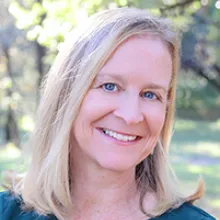
Meet the Expert: Kathleen Murphy

Managing Researcher Kathleen Murphy discusses the common misconceptions and barriers that individuals with disabilities face, and how new technologies are opening new doors—while closing others.