Safe Seas Final Evaluation
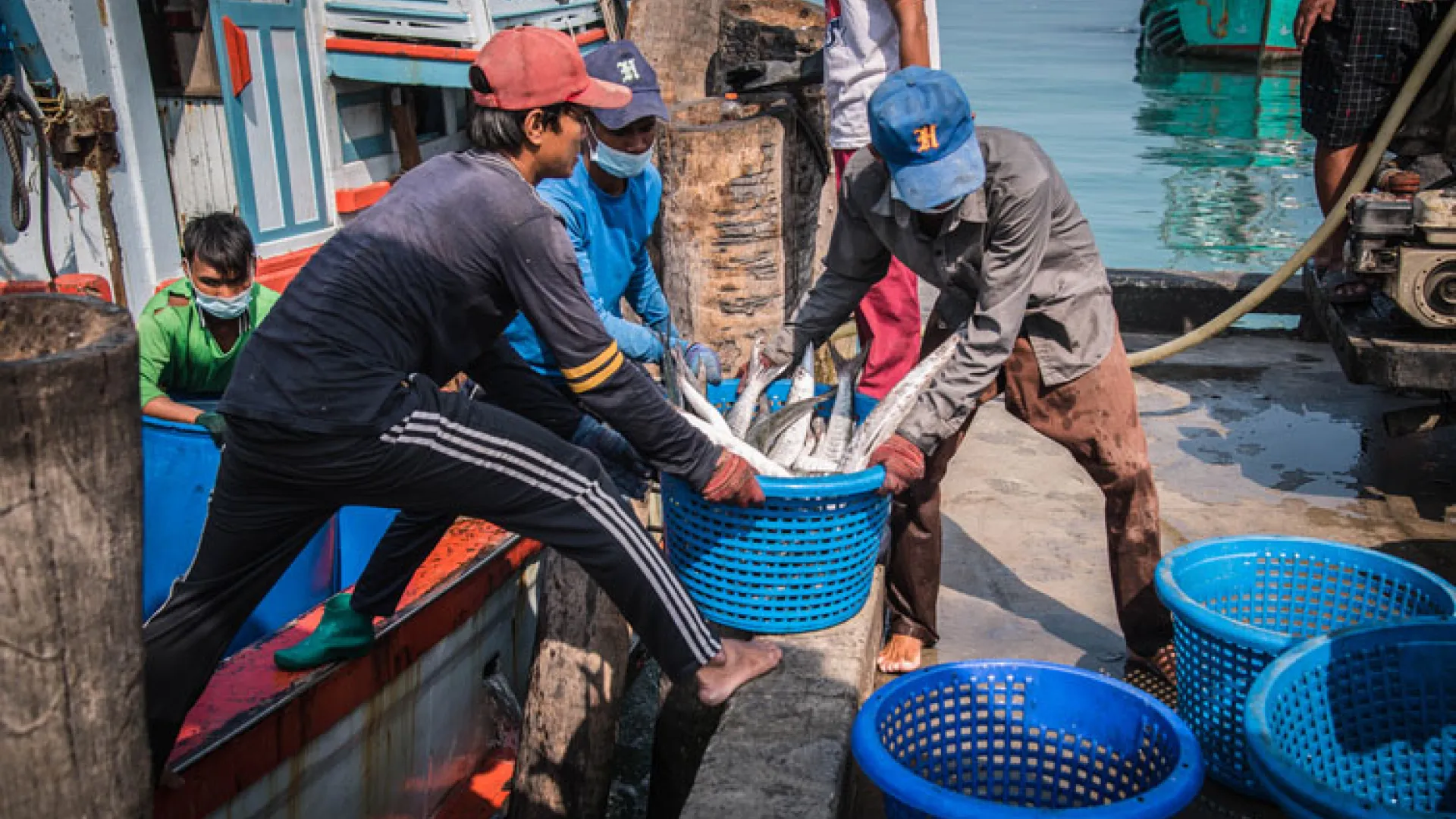
The non-governmental organization (NGO) Plan International worked with the SAFE Seas project and the governments of the Philippines and Indonesia to enact policies and enforcement mechanisms to stop abuses.
SAFE Seas—a U.S. Department of Labor project—worked with both countries’ government ministries and agencies to help improve coordination and raise the profile of labor issues. By engaging with affected workers directly, the project ensured reporting and remedy mechanisms were relevant, accessible, and responsive to their unique circumstances and needs.
According to the International Labour Organization, fishing industry workers are particularly vulnerable because of a global shift from higher income skilled workers to low paid migrants who often lack training, adequate language skills, and are being affected by the lack of safety and labor standards because of power imbalances on ships that leave them with very little negotiating power.
The Safe Seas Evaluation
AIR conducted a final evaluation to assess Plan International’s interventions to tackle these and other labor abuses in the fishing industry in both countries as they face challenges in creating policy frameworks to combat exploitative labor practices, including forced labor and trafficking, on fishing vessels.
AIR used a mixed methods approach—mostly key informant interviews (KIIs) and Focus Group Discussions (FDGs) with government officials, Plan International staff, NGO workers in-country, Department of Labor employees, and fishing vessel workers. We also conducted a desk review of Plan International’s project reports and a quantitative analysis of the information gathered from the KIIs and FDGs.
Through field work, remote interviews, and desk reviews, AIR evaluated Plan International’s two major outcomes for the fishing industry in Indonesia and the Philippines: 1) improved enforcement to combat labor exploitation, and 2) decreased indicators of labor exploitation to begin with.