Indigenous Youth Interest and Access to Computer Science Study
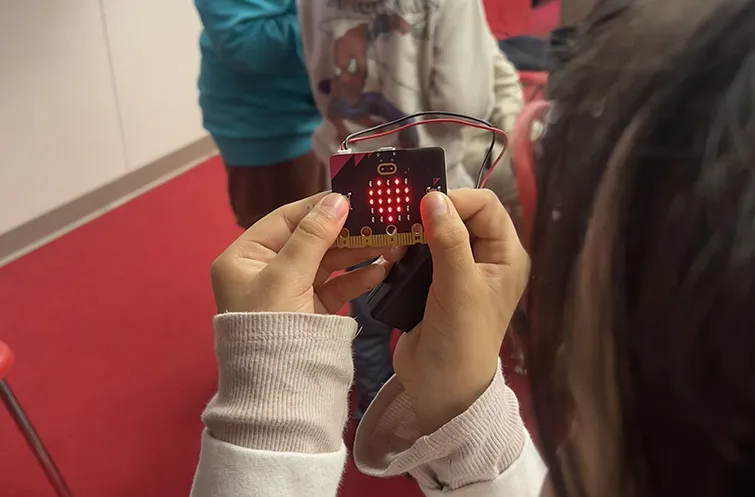
Indigenous K-12 student interest and access to computer science (CS) and artificial intelligence (AI) learning opportunities are critical to their success as future actors in these fields, particularly in ways that align with Indigenous values, ethics, and priorities. In response, AIR—alongside Indigitize Computer Science (a program of One Generation Fund), Native Pathways (NaPs), and Reimagine Research Group (RRG)—coordinated a multi-method effort to reshape the CS field by generating critical data on Indigenous students’ interest in and access to CS and AI.
To do so most appropriately, the study grounded its four inquiries (below) in Indigenous research methodologies and community-based research—centering relational accountability, shared power, and community relevance:
Inquiry 1: AIR conducted a retrospective analysis of Code.org data to assess Indigenous students’ access to CS courses and state-level policy adoption.
Key finding: The Code.org analysis revealed that Indigenous students continue to have the least access to foundational CS courses compared to their peers. General CS and AP CS enrollment and exam completion rates are notably low. However, access is improving in states that have adopted supportive CS policies.
Collaboration across study partners was key to our success. Through our different modes of inquiry we were able to engage teacher and Indigenous youth and community member voices in building a baseline understanding of Indigenous student interest and access to CS and AI.
- Marissa Spang, Education Researcher, AIR
Inquiry 2: AIR administered a regional survey of teachers serving Indigenous youth in computer science to better understand educator attitudes, resources, and professional development needs.
Key finding: The survey of teachers serving Indigenous youth demonstrated that educators overwhelmingly support integrating Indigenous knowledge, language, and values into CS. Teachers saw coding and AI as tools for solving real-world problems, from cultural preservation to environmental stewardship. Simultaneously, they emphasized the need for increased professional development, professional learning communities, and other in-school opportunities.
Inquiry 3: Indigitize led focus groups with Indigenous students at two partner schools to explore how students experience and make sense of CS.
Key finding: Indigenous youth student focus groups shed light on how CS comes alive when it is rooted in relationships, relevance, and culture. Students showed deep curiosity and critical thinking about technology, linking CS to land, language, and community well-being. Yet, many students cited barriers such as limited access to the internet, devices, or safe learning environments outside of school.
Inquiry 4: NaPs/RRG led “Talk Story” dialogues in two Tribal communities to surface community perspectives on CS learning.
Key finding: Intergenerational Talk Story dialogues with students, their families, and community members emphasized that CS should be hands-on, place-based, and guided by Tribal sovereignty. They imagined futures where Indigenous youth use CS to build tools that serve their Nations, but also raised concerns about infrastructure, mentorship, and protecting cultural data.
What emerged across these efforts was not only a clearer understanding of the barriers Indigenous students face in accessing CS education, but also a deeper recognition of the strength, ingenuity, and vision they bring to the field. This vision is often rooted in community, cultural knowledge, and a sense of shared purpose that extends beyond the classroom.
These findings are just the beginning. Addressing generational disparities in CS access will require sustained investment, policy change, and a reimagining of what education can be.
Sponsored by Amazon Future Engineer and in partnership with Indigitize Computer Science.