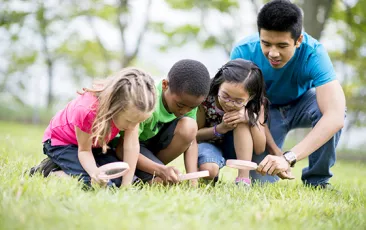
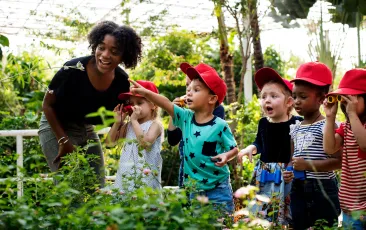
Out-of-school time (OST) and summer learning programs provide young people with opportunities to learn, build relationships, explore interests, develop skills, and connect with their communities. These experiences take place across a wide range of settings, including schools, community-based organizations, libraries, parks and recreation programs, sports programs, and other youth-serving organizations.
AIR partners with organizations and communities across the United States and around the world to strengthen the quality, accessibility, and effectiveness of out-of-school time and summer learning opportunities. We bring expertise in research, evaluation, technical assistance, capacity building, and youth engagement to help partners understand what young people need, improve programs and practices, and use evidence to inform decision-making, continuous improvement, and investment across the broader youth-serving ecosystem.
Whether supporting local programs, statewide initiatives, or national networks, AIR helps organizations create high-quality learning experiences that promote positive youth development, well-being, and long-term success.
Our Expertise in Out-of-School Time and Summer Learning
Our work includes:
- Afterschool and expanded learning programs, including school-based and community-based opportunities that support academic, social, and developmental growth;
- Summer learning initiatives, including academic enrichment, experiential learning, youth employment programs such as Summer Youth Employment, and other summer opportunities;
- Youth engagement strategies that meaningfully involve young people in program design, planning, decision-making, implementation, and evaluation;
- Experiential and interest-driven learning opportunities, including STEM, arts education, environmental education, play-based learning, mentoring, sports, and other enrichment activities;
- Positive youth development and well-being, including belonging, supportive relationships, social and emotional development, mental wellness, and youth agency;
- Youth-serving systems and community infrastructure, including efforts to map, connect, coordinate, and strengthen networks of opportunities available to young people; and
- Measurement, evaluation, and continuous improvement approaches that support data-informed decision-making and deepen understanding of program quality and youth experiences