Lessons from 2022: How We Live, Learn, and Build Better Communities
For many of us, 2022 was an overwhelming and challenging year. Elements of life that had stalled due to COVID-19 resumed in one form or another, but the effects of the pandemic were still widely felt. Meanwhile, the challenges and inequities that existed in people’s everyday lives before the pandemic continued to require time, attention, and solutions.
The road between recognizing the existence of a problem and finding an effective solution can be long. At AIR, we think that road is paved with information and evidence, which we seek to find through rigorous research and evaluations and share through capacity-building technical assistance. In this round-up of our 2022 highlights, we reflect on the lessons we’ve learned this year, focusing on how we live, how we learn, and how we can build better communities. We hope that each finding brings us one step closer to improving lives for all.
How We Live
The Topic: Cash Transfers
The Project: Cash transfer programs, growing around the globe since the mid-1990s, are a cost-effective way to improve the lives of poor households. AIR experts have evaluated 13 cash transfer programs to identify key process-related best practices that can inform future program design.
The Lesson Learned: Across all evaluations, cash transfers consistently represent a key strategy for poverty reduction. However, payment irregularities and a lack of grievance mechanisms can undermine their efficacy.
Discover some best practices for designing cash transfer projects.

The Topic: The Pandemic’s Effect on Seeking Health Care
The Project: COVID-19 has placed unprecedented strains on the health care system, contributing to significant disruptions of care. This includes missed follow-up care for patients, decreased medication adherence, delayed appointments, and intentional avoidance or delaying of care. AIR researchers examined how spending for different categories of Medicare services changed from the start of the pandemic through the end of 2021.
The Lesson Learned: Medicare spending for ambulatory and inpatient care dropped precipitously at the beginning of the pandemic among certain populations, but largely rebounded to pre-pandemic levels by the end of 2020. This indicates that the pandemic caused a large but short-lived disruption to care.
The Topic: Patient-Centered Approaches to Improving Care
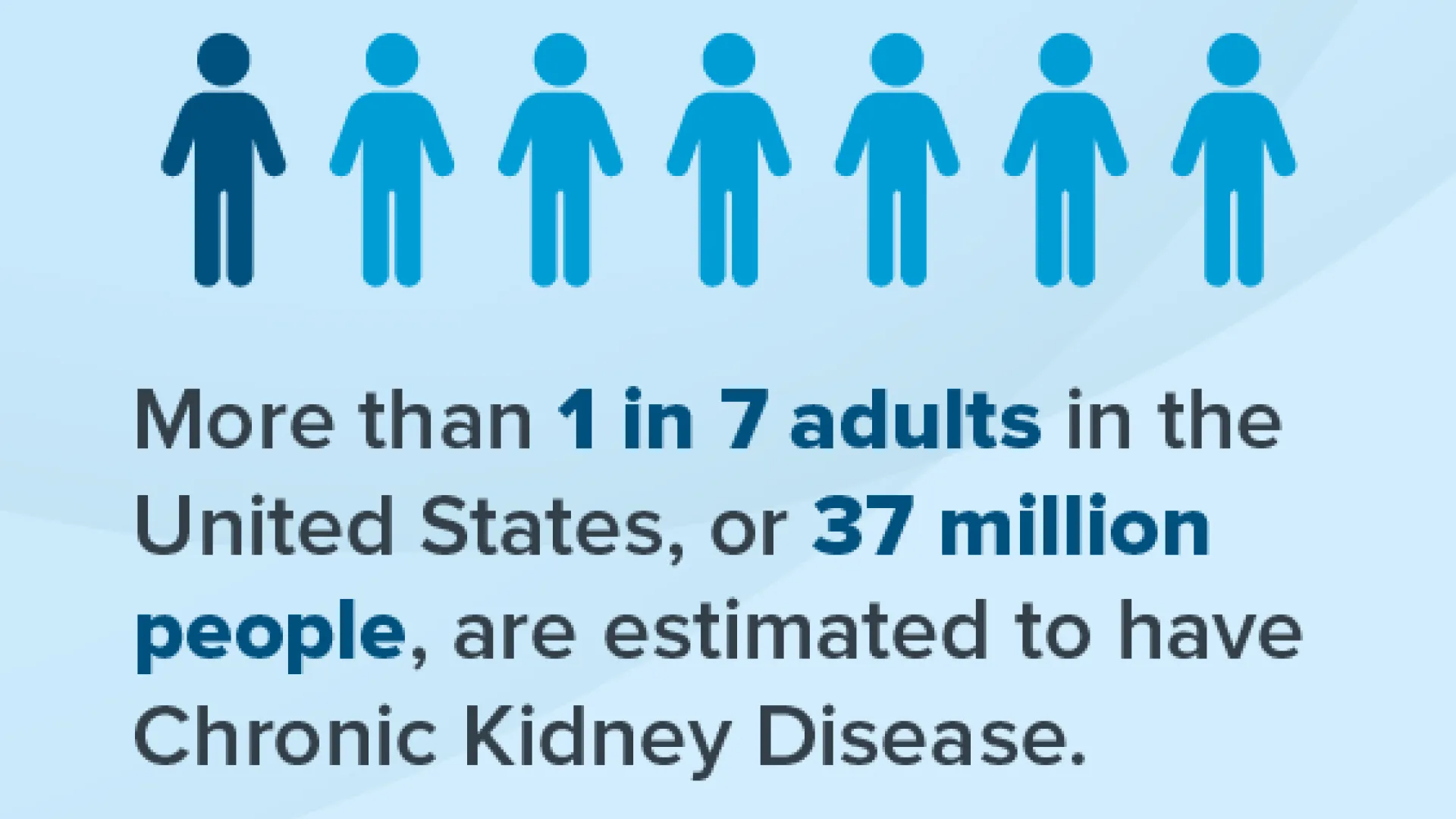
The Project: Chronic kidney disease, which affects 37 million Americans, can have serious health consequences for both patients and the health system. As the federal government considers ways to address patient safety and disparities, AIR experts offer considerations for involving patients, families, and communities in the effort.
The Lesson Learned: Interventions for dialysis treatments can have the greatest impact if the patients and communities most affected by disparities have a role in designing them.
Read about elevating patient and family voices in kidney care.

The Topic: Social Determinants of Addiction
The Project: Experts in policy, practice, programs, and people are supporting a more holistic response to the overdose epidemic and an examination of the interactions between social structures and the people they are designed to support.
The Lesson Learned: The condition of addiction is deeply entwined with social determinants of health, including housing, employment, and healthcare access. For example, rates of overdoses are higher for homeless individuals, compared to those with stable housing.
Listen to AIR CARES Center webinars to learn how each social determinant affects addiction care.
Additional Resources:
- Telehealth for Medicare beneficiaries with chronic conditions: No panacea for COVID-19 pandemic access challenges
- Exploring the use of both medication and behavioral health care to treat opioid use disorder
- AIR’s Evidence Consortium on Women’s Groups (ECWG) explores how women's groups can contribute to achieving gender equality goals
A Focus on Giving
AIR Opportunity Fund
In 2022, the AIR Opportunity Fund awarded more than $27,000,000 in funding to 20 teams of researchers and technical assistance providers working to promote equity in education, workforce skill development, policing and public safety, and health. With a focus on elevating different perspectives and fostering deep community partnerships, awardees are exploring, evaluating, and supporting efforts to encourage a more peaceful society where communities and individuals thrive no matter their circumstances.
AIR Giving
In 2022, AIR launched a refreshed charitable giving initiative aimed at unlocking pathways for opportunity in communities where our staff live and work worldwide. With a new focus on partnership building, AIR and our staff are contributing our time, talent, and funds to charities that advance equity and help people thrive. For example, on 2022’s Giving Tuesday, AIR staff joined together to “share the warmth of home” with individuals experiencing hunger, housing insecurity, and displacement–selecting six organizations to receive a total of $30,000 in support from AIR.
How We Learn
The Topic: Dual Language Learners
The Project: More than half of California’s youngest children are dual language learners (DLLs)—children living in households where a language other than English is spoken. AIR conducted a large-scale study on the experiences and outcomes of dual language learners in California.
The Lesson Learned: Researchers found that the more time preschool teachers reported speaking in Spanish, the better Spanish-speaking children performed on Spanish vocabulary and oral comprehension, basic mathematics, bilingualism, literacy skills, executive functioning, social-emotional wellbeing, and even English oral comprehension.
Learn more about how early learning and care programs can support dual language learners.

The Topic: Deeper Learning
The Project: Many educators are exploring new approaches to preparing students to thrive in college, careers, and civic life, including deeper learning. Deeper learning emphasizes making connections between in-class, academic content and real-world problems outside the classroom. With funding from the William and Flora Hewlett Foundation, AIR conducted a quasi-experimental study of deeper learning practices over nearly a decade.
The Lesson Learned: In the 20 schools with a focus on deeper learning, on-time graduation rates were almost 8 percentage points higher than for schools without such a focus.
Learn about the promises and limitations of deeper learning with the study’s researchers.
The Topic: Science Education
The Project: Early science, technology, engineering, and mathematics (STEM) education sets the stage for future STEM learning. AIR researchers reviewed projects relating to improving pre-K and elementary science teaching.
The Lesson Learned: Pre-K and elementary teachers need better training and support to improve early science education. Science instruction improves when teachers-in-training take science classes taught by science professors, rather than learning about science through a methods course within the teacher education department.
Learn more in a Hechinger Report article with commentary from AIR's Danielle Ferguson.


The Topic: Advanced Coursework
The Project: Taking advanced courses in high school is advantageous for a student’s prospects, but many students who are prepared to take an advanced course are overlooked for participation using traditional student nomination practices. To address this problem, certain school districts changed their policy with a behavioral nudge, making advanced courses “opt out” rather than “opt in” for all qualified students. AIR studied such an approach in Washington state.
The Lesson Learned: Making advanced courses opt-out, rather than opt-in, may help increase participation in advanced course enrollment.
How We Build Better Communities
The Topic: The Changing Environment
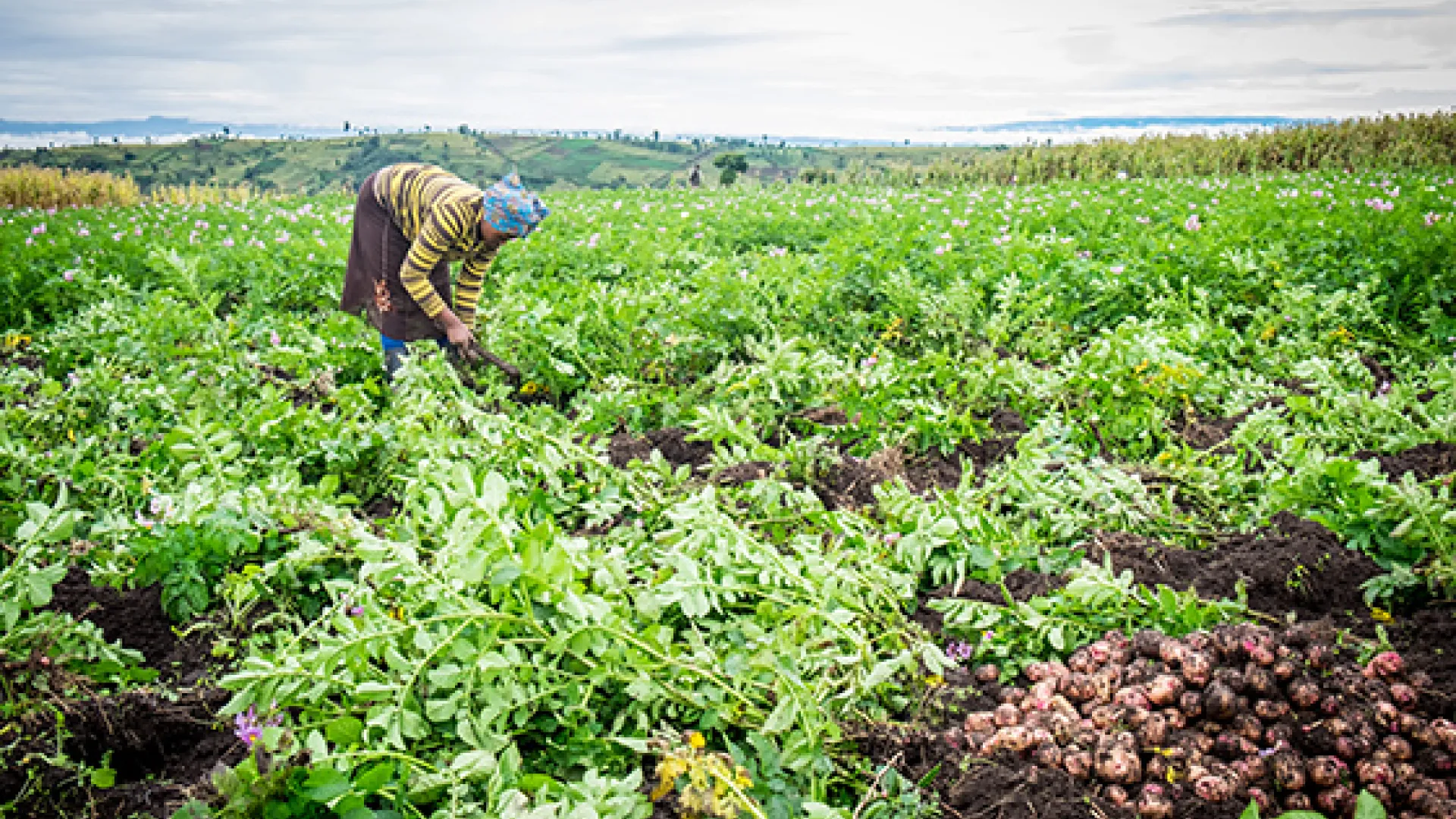
The Project: The changing environment is affecting our entire world and manifesting itself in different ways, requiring governments, nongovernmental organizations, scientists, and others to nimbly adapt to unexpected circumstances and crises. AIR developed a crop modeling framework that can help policymakers and leaders understand the effects of environmental change and make informed decisions.
The Lesson Learned: Crop modeling can rapidly generate reliable evidence, as shown by our work in Kenya predicting maize production.
The Topic: School Safety
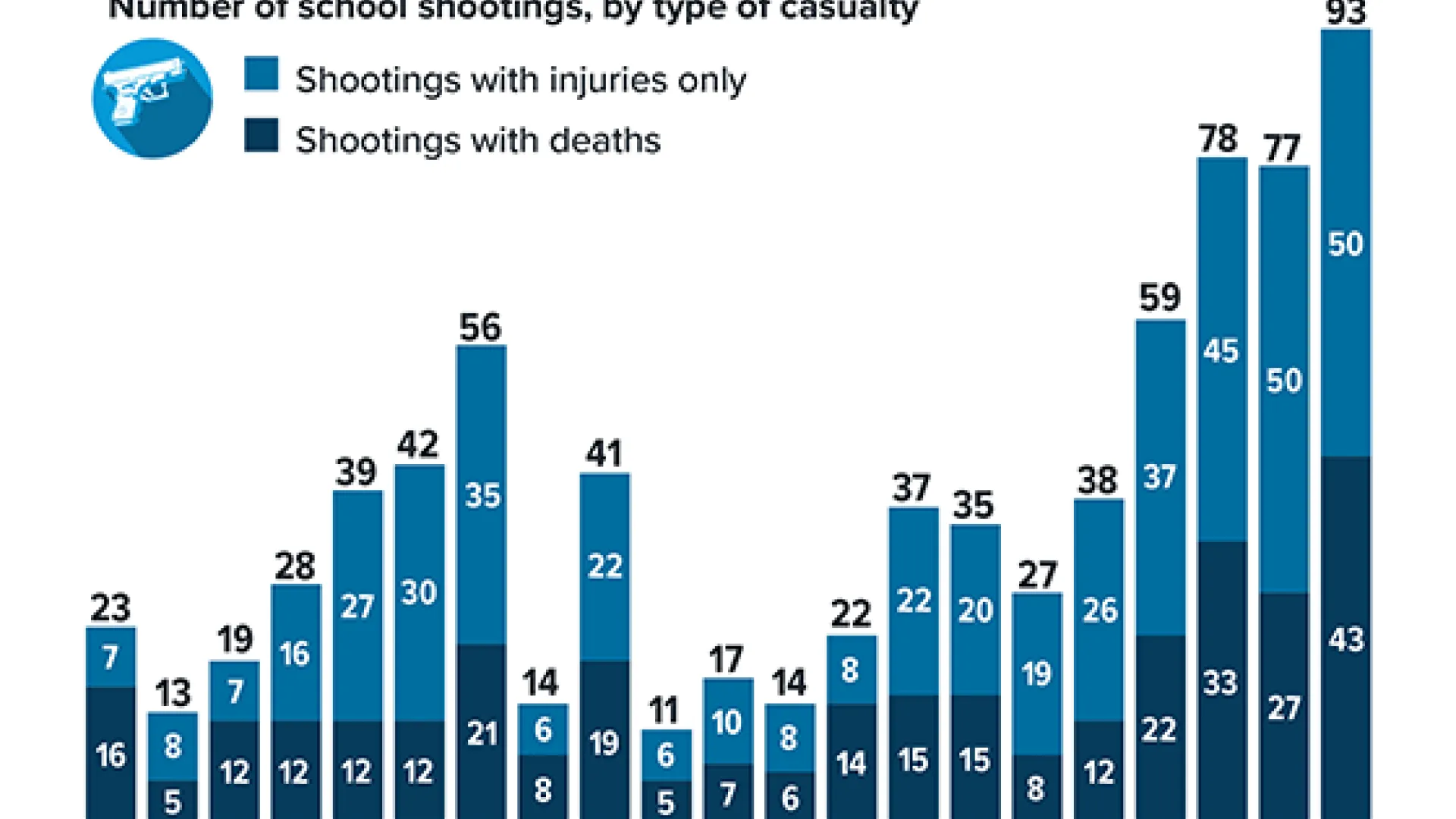
The Project: In the United States, a growing list of schools and communities have experienced gun violence resulting in a tragic loss of life. AIR researchers examined how recent tragedies related to school violence have led to discussions about evidence-based strategies to reduce and prevent violence in schools.
The Lesson Learned: Experts recommend these specific, evidence-based interventions: a ban on assault-style weapons and high-capacity ammunition clips; universal background checks on gun purchases; a requirement for schools to assess school climate and maintain safe and positive school environments; investments in community- and school-based mental health professionals; and a collaborative focus on de-escalation strategies, reducing exclusionary discipline, and promoting effective threat assessment.
Explore these findings in our Evidence-Based Road Map for School and Community Safety.
The Topic: Work-Based Learning and Apprenticeship
The Project: Apprenticeships provide major opportunities both to strengthen our workforce with well-prepared staff and to reduce systemic inequities. Supported by grants from the U.S. Department of Labor, states are leading efforts to expand access to apprenticeships by implementing expansion strategies that meet workforce needs through Registered Apprenticeship Programs.
The Lesson Learned: AIR identified five elements that are key for sustainable, scalable apprenticeship expansion programs.
Read the brief to discover the five elements of this framework.