Student success systems combine data, relationships, and improvement science to help students thrive, and can be a powerful tool to track and implement all types of student engagement. The GRAD Partnership is supporting the use of these systems to promote student improvement and engagement.
A mountain of evidence demonstrates how afterschool and summer learning programs funded by the 21st Century Community Learning Centers (21st CCLC) program contribute to youth development. States can use these funds in several different ways, including for academic supports and enrichment opportunities for students and helping adult family members be ...
AIR is partnering with Lumina Foundation to conduct research about the ways in which adult learners of color make decisions about (re)enrollment in postsecondary institutions. This blog post explores a few individuals' thought processes.
For the past five years, a study team from AIR has evaluated the implementation and impact of the Comprehensive Support and Improvement designation—which identified the lowest performing schools—in three states: California, Florida, and Ohio. Here are some of our key findings linked to different steps in the theory of action. ...
Through a collaborative partnership between Ascendium and AIR, this initiative supports seven grantee research projects dedicated to understanding how to better serve postsecondary rural learners and the institutions that support them.
Since 1946, AIR has worked diligently for the American people as a trusted government contractor and grantee. A nonpartisan social and behavioral science research organization, AIR has been committed to generating evidence that supports decision-making on programs and policies across 15 U.S. presidential administrations. ...
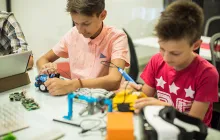
Understanding computer science isn’t just for software engineers or data scientists—it’s vital for everyone. Computer science fosters problem-solving, critical thinking, and digital literacy, a set of skills that are increasingly necessary for everyone to thrive in an era of rapid digital transformation. But there’s a major roadblock standing in the ...
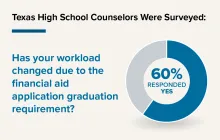
Research shows that high school students who complete a FAFSA, or free application for federal student aid, are significantly more likely to enroll and remain in college than students who do not. Based on what counselors told us in our study in Texas, here are some ways that states can ...
While the idea of family engagement in education is now broadly recognized, funding strategies to build effective partnerships have proven more tenuous. With the end of financial support from the federal ESSER Fund on the horizon, we offer three steps education leaders can take to broaden options for family engagement ...
While AI has great potential to improve efficiency in both education research and education practices, there is reason to be cautious. Researchers at AIR are working toward developing a set of evolving principles for how to address key issues related to AI in education research, and we are inviting others ...