Helping People Recover and Rebuild After Life-Altering Injuries
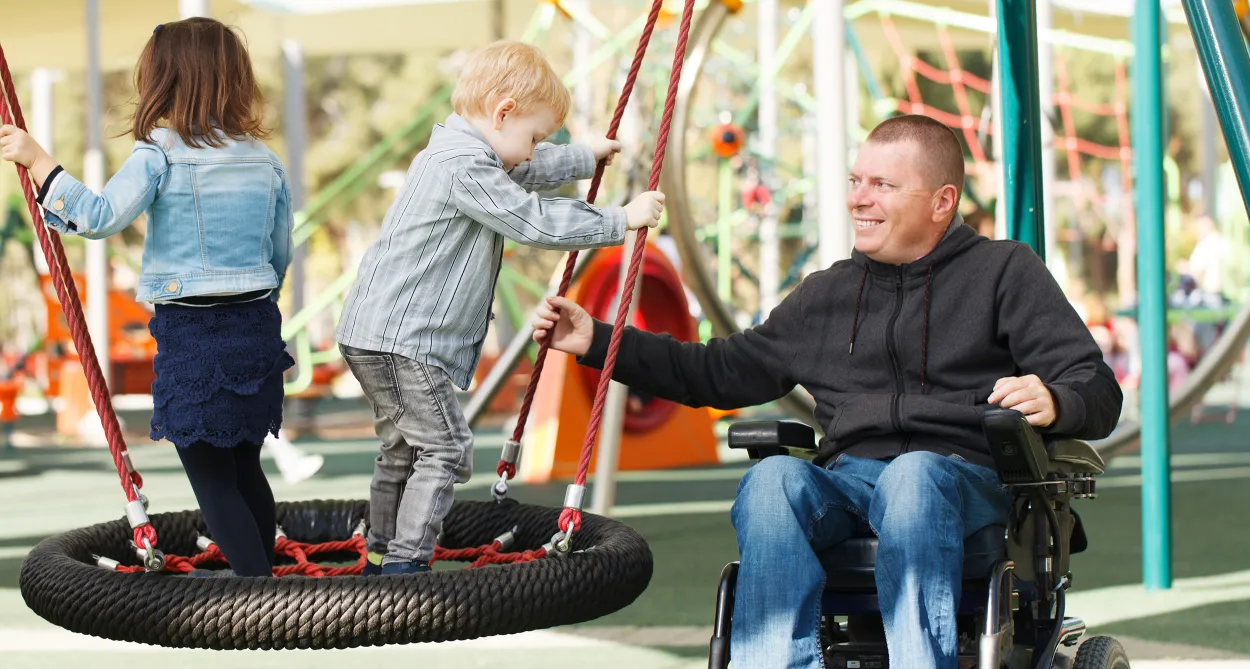
The Challenge: Life After Injury Doesn’t Come with a Guidebook
When Katie sustained a traumatic spinal cord injury in a car accident, her entire life changed overnight. She suddenly faced new physical challenges, and even simple tasks—like getting dressed, using the bathroom, or preparing a meal—became overwhelming. Everyday routines like working, commuting, or staying active now required completely new approaches.
She and her family searched for guidance, but most medical information was complex, overwhelming, and hard to apply to real life. What they needed was clear, practical advice on how to support Katie’s recovery and help her regain independence.
Katie’s experience reflects the reality faced by more than a million people in the U.S. living with spinal cord injuries, traumatic brain injuries, or severe burns. While research continues to advance treatments and rehabilitation strategies, too often these breakthroughs fail to reach the people who need them most.
For medical discoveries to truly change lives, they must be understandable, accessible, and actionable—helping individuals, families, and care teams put knowledge into practice and improve everyday quality of life.
AIR's Approach: Translating Medical Research into Everyday Support
AIR operates the Model Systems Knowledge Translation Center (MSKTC), a national initiative funded by the National Institute on Disability, Independent Living, and Rehabilitation Research (NIDILRR). MSKTC transforms complex medical research into tools that people can actually use—empowering individuals, caregivers, and health care professionals to make informed decisions.
Our work includes:
- Giving Individuals and Families the Right Tools – MSKTC develops fact sheets, videos, and infocomics on critical topics like pain management, mobility, mental health, employment, and daily living—providing research-backed guidance in plain language.
- Building Strong Peer Networks – The MSKTC Ambassadors Programs recruit individuals who have experienced spinal cord injuries, burns, or traumatic brain injuries to share knowledge, provide support, and connect others with trusted resources.
- Bridging the Gap Between Research and Care – MSKTC trains researchers and health care professionals on how to communicate medical discoveries effectively, ensuring that cutting-edge knowledge translates into better patient care and real-world impact.
The Impact: Trusted Tools That Reach Millions
MSKTC is changing lives by ensuring that people living with serious injuries have access to practical, research-backed support:
- Helping Millions Worldwide – Since 2021, more than 4.1 million people across 240 countries have accessed MSKTC’s digital resources, totaling over 7.1 million pageviews —proving the critical demand for accessible, evidence-based health information.
- Setting the Standard for Excellence – MSKTC’s innovative approach has been recognized with multiple industry awards, including Astrid, Digital Health, Hermes, Telly, and Anthem Awards for outstanding website, print and video content, and global health impact.
- Breaking Down Language Barriers – MSKTC has expanded its Spanish-language resources, making vital medical guidance more accessible to Spanish-speaking communities across the U.S. and beyond.
By transforming complex medical research into clear, actionable tools, AIR and MSKTC are helping people with life-altering injuries regain independence, rebuild their lives, and move forward with confidence.
Related Work
Model Systems Knowledge Translation Center
The Model Systems Knowledge Translation Center (MSKTC) summarizes research, identifies health information needs, and develops information resources to support programs in meeting the needs of individuals with spinal cord injuries, traumatic brain injuries, and burn injuries.
Traumatic Brain Injury Resource Bundle for American Indians
Indigenous people throughout North America are at greater risk for traumatic brain injury (TBI) and poor TBI-related outcomes. An AIR research team is working in partnership with the Great Plains Tribal Chairmen’s Health Board, an Advisory Council of TBI stakeholders, and technical experts in TBI to develop a resource bundle for American Indians.