Gathering the Key Data Needed to Build a Strong Youth Fields Workforce
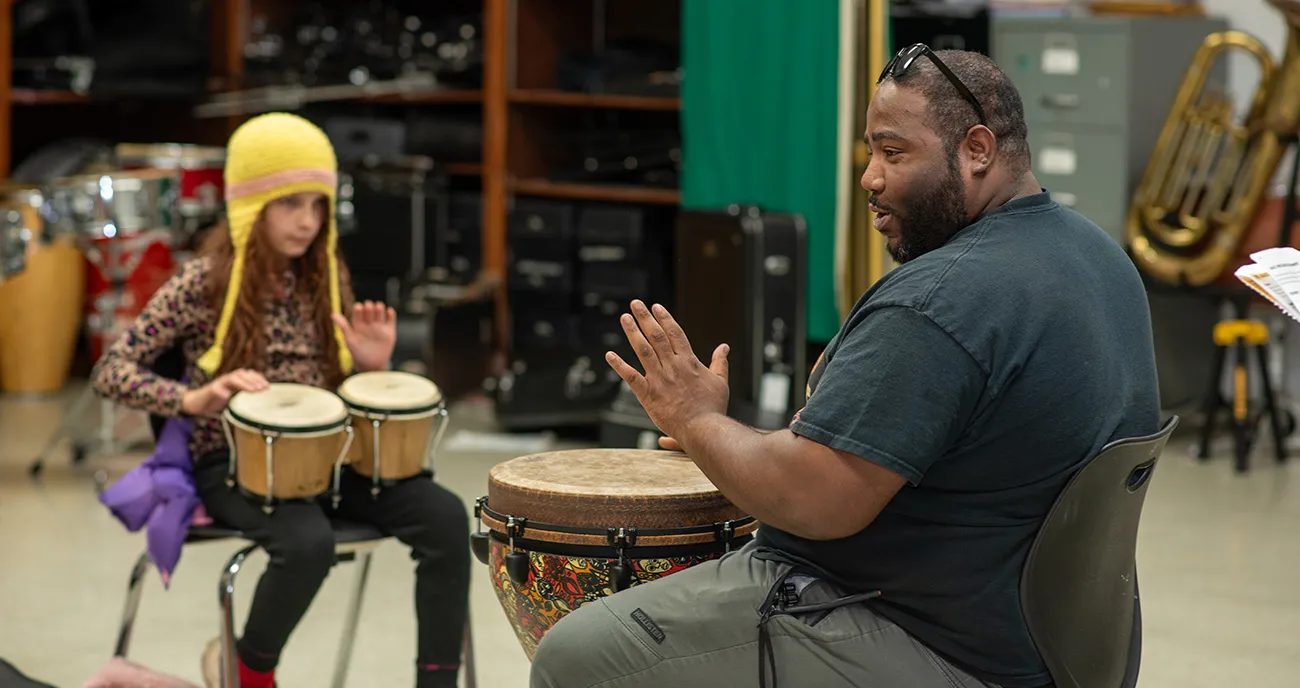
Photo credit: The 50 State Afterschool Network
The Challenge
The adults who work with young people outside of the school day in settings such as before- and afterschool care, summer programs, mentoring, libraries, museums, and more play an essential role in learning and development for children, youth, and young adults. Yet information around their career paths, professional learning, well-being, and compensation is fragmented and limited.
Addressing the workforce challenges in youth development—from staffing and pay to career advancement—starts with having reliable, comparable data on the adults who serve youth beyond the classroom.
Hardworking, well-trained staff play a key role in quality, and quality plays a key role in outcomes, so it’s important that this vital workforce is better understood—and supported.
Ann Stone
Senior Research Officer, The Wallace Foundation
AIR's Approach
To better understand this unique workforce and their experiences, AIR conducted the Power of Us: The Youth Fields Workforce survey, part of the Youth Fields Study funded by The Wallace Foundation. More than 10,000 youth-serving workers in school- and community-based afterschool programs, mentoring programs, summer camps, sports programs, STEM programs, arts-based programs, youth employment programs, and other programs responded to the survey.
Among other findings, the survey shows that adults working in youth-serving fields:
- Have varied academic and professional experiences;
- Experience differences in compensation;
- Feel supported but also face stress and burnout; and
- Enjoy working with youth and find purpose in doing so.
The Impact: Providing Key Datapoints for Decisionmakers
By revealing information about the adults serving youth outside of formal education settings, the survey aims to inform practice, policy, and future research.
This study not only recognizes the deep commitment of youth workers to their calling, but also provides baseline data that researchers and policymakers can use to support youth workers and the young people they serve.
Bronwyn Bevan
Vice President of Research, The Wallace Foundation
In particular, the survey data show that youth fields organizations and decisionmakers have the opportunity to:
- Examine ways to make compensation fairer;
- Provide opportunities for career advancement and professional learning; and
- Encourage a sense of belonging for youth fields staff.
With a better understanding of the adults making up the youth fields workforce, researchers, policymakers, and others can begin to take more informed steps toward improving the systems that serve youth.
Related Projects

We have little information about the adults who work in out-of-school time settings. The Power of Us Workforce Survey, conducted by AIR with a constellation of partners, was an effort to learn more about the youth fields workforce. Over 10,000 members of the youth fields answered the call and completed the survey.