Impact Evaluation of the No Lost Generation/Min Ila Cash Transfer Program for Syrian Refugees in Lebanon
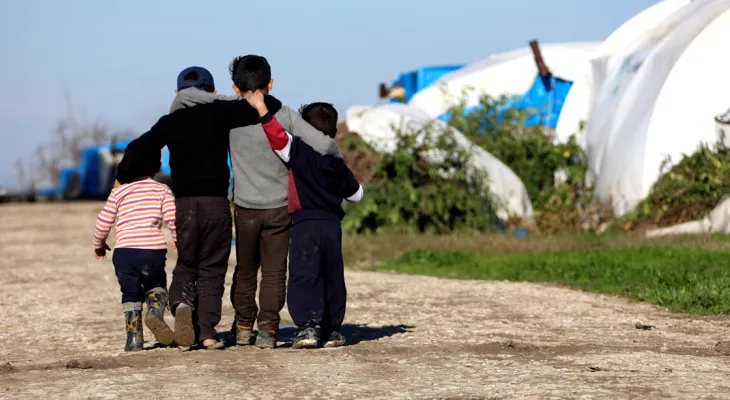
Lebanon has one of the highest per-capita ratios of registered refugees in the world. Most of the 1.5 million displaced Syrians arrived with limited savings and have struggled to earn steady incomes to meet their families’ basic needs, such as food, health care, and shelter. These basic needs tend to require immediate attention, which means that Syrian families often forgo education and its long-term benefits in favor of short-term needs. This sudden influx of Syrian refugees has created an education crisis in Lebanon that affects Syrian and vulnerable Lebanese children. Efforts to address the crisis include introducing an afternoon shift in public Lebanese primary schools for displaced Syrian children—the so-called “second shift.”
AIR and the UNICEF Office of Research–Innocenti led an independent impact evaluation of Min Ila, a cash transfer program for displaced Syrian children in the governorates of Mount Lebanon and Akkar. Created by UNICEF Lebanon in partnership with the World Food Programme and in cooperation with the Lebanese Ministry of Education and Higher Education, the program was designed to address the income-related barrier to school attendance alongside existing interventions addressing non-income constraints.
Program Overview
Syrian children aged 5 to 9 years old who lived in the Mount Lebanon and Akkar governorates and were enrolled in a second shift school received a basic monthly education transfer of 20 USD to cover a portion of the indirect costs of going to school, such as school snacks, transportation, and appropriate clothing and shoes. Syrian children aged 10 years and older who were enrolled in a second shift school received a larger monthly education transfer of 65 USD, which factored in the higher monthly earnings of a working child in this age group.
The education transfers continued for the duration of the school year, and payments were made every month on an ATM card. While no conditions had to be met in order to receive the cash, school attendance was monitored and follow-ups (via household visits) were scheduled if children did not attend school regularly. The purpose of these visits was to (1) record reasons for dropout and (2) refer households to existing complementary services to help children back into school.
Key Findings
- The evaluation found that the transfer improved children’s health and nutrition.
- The transfer also improved the socio-emotional well-being of children ages 10–14.
- The transfer did not affect children’s enrollment, which we found could be due to the fact that schools faced capacity constraints preventing them from adding students.