Community Schools Southern Partnership for Advancement, Resources, & Knowledge (CS-SPARK)
A partnership to strengthen community school implementation, data use, family engagement, and storytelling across Arkansas and Mississippi.
At a Glance
Location: Arkansas: Batesville, Little Rock, Pine Bluff; Mississippi: Clarksdale, Jackson, Quitman County, West Tallahatchie
Focus Areas: Education
Partners: NEA Foundation, Annie E. Casey Foundation, and Mainspring Consulting
Timeline: 2026 – 2028
Project Stage: Active implementation / learning phase
Across the rural South, schools, families, and community partners are coming together to create new opportunities for students and to support the communities they call home. Through the community schools strategy, local leaders are building on existing community strengths, aligning resources and supports around community priorities, and creating environments where students and families thrive. In many communities, schools serve as vital hubs that bring people, services, and opportunities together, making strong school-community partnerships especially important.
The Community Schools Southern Partnership for Advancement, Resources, & Knowledge (CS-SPARK) is a multiyear effort supporting community schools across Arkansas and Mississippi. The partnership helps participating communities strengthen implementation, use data to guide decisions, engage families and students, and share what they are learning.
CS-SPARK builds on the NEA Foundation’s Community Schools Initiative and is supported by the AIR Opportunity Fund. AIR researchers and technical assistance experts work with participating communities, in collaboration with the NEA Foundation, the Annie E. Casey Foundation, and Mainspring Consulting. Together, they are working to strengthen community school implementation, document progress, and share lessons that can support long-term sustainability and growth.

Laura Brady
Senior Researcher
CS-SPARK is designed to center local voice and leadership—helping communities use data, partnership, and storytelling to show what community schools are making possible for students and families.
Laura Brady
Senior Researcher
AIR’s role is to walk alongside CS-SPARK communities through documenting progress and outcomes, technical assistance, communications, and data storytelling support. The CS-SPARK researchers work with communities to understand local contexts and document community assets, partnerships, implementation progress, and outcomes. The technical assistance team supports school staff and partners in using data to enhance key community school efforts, including opportunities for authentic family engagement. The communications team collaborates with communities to develop storytelling products that help communities communicate the value of their work in ways that are useful to local leaders, families, partners, funders, and the broader community school field.
Ultimately, CS-SPARK aims to help communities strengthen community school implementation, use data for continuous improvement, deepen family and student engagement, and tell clearer stories about what community schools are making possible across the South. The work is grounded in listening, co-design, and shared ownership, with an emphasis on local voice and community agency rather than outside solutions.
Project Goals
- Build local capacity to use data for reflection, decision making, continuous improvement, and communicating progress over time.
- Deepen family, student, and community engagement so that local voices help shape priorities, solutions, and measures of success.
- Document community assets, implementation progress, promising practices, community school outcomes, and lessons learned across participating sites in Arkansas and Mississippi.
- Create clear, useful storytelling products that help communities share the value of their work with families, partners, funders, and the broader community schools field.
Project Updates
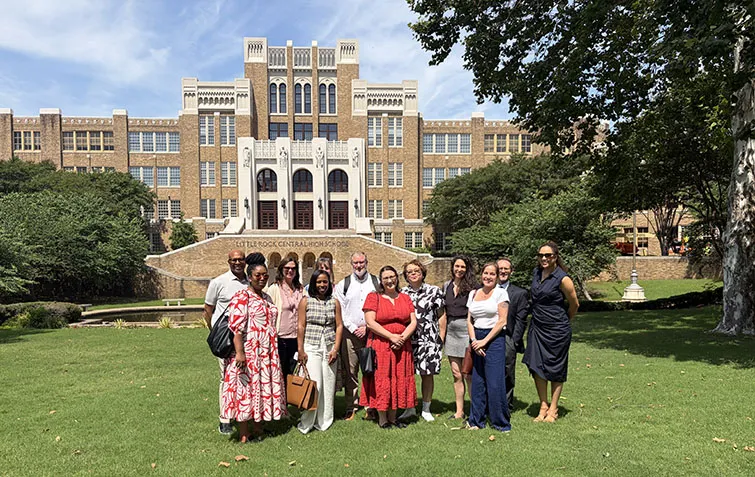
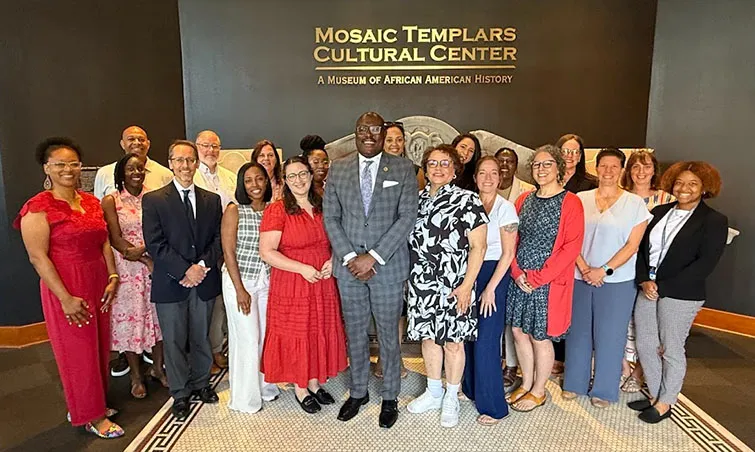
- Spring 2026: AIR’s CS-SPARK team visited our community partners in Arkansas and Mississippi to learn more about their local opportunities and challenges and to see their community schools in action.
Supported by the AIR Opportunity Fund
The AIR Opportunity Fund invests in community-led efforts to expand opportunity and improve lives. Through Priority Places, it supports projects like this one with funding, research, and hands-on partnership—helping communities build on their strengths, strengthen what works, and inform future efforts in other places. Learn more.