Region 1 Comprehensive Center: Maine, Massachusetts, New Hampshire, and Vermont
The Region 1 Comprehensive Center led by AIR from 2019 - 2024, built the capacity of state education agencies (SEAs), local education agencies, and schools to improve instructional quality, address achievement and equity gaps, and improve outcomes for all students on state-identified priority initiatives.
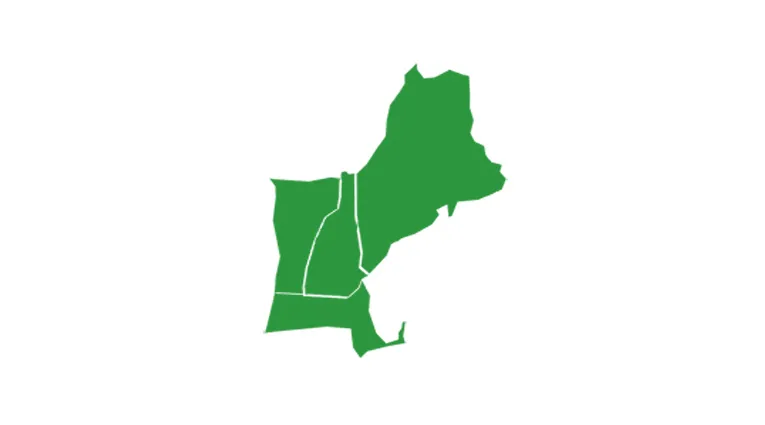
The Region 1 Comprehensive Center (MA, ME, NH, VT) served Massachusetts, Maine, New Hampshire, and Vermont, and built the capacity of state and local education agencies and schools to address their most pressing educational needs. The center’s work spanned initiatives from early childhood to career readiness, and focused on improving instructional quality and improving outcomes for all students.
R1CC project teams bring rigorous technical assistance methods and deep content expertise to design, develop, and implement technical assistance strategies that support educational improvement.
Our project plans focus on high-leverage needs identified state education leaders.
Projects
The Region 1 Comprehensive Center projects focused on high-leverage needs identified by education leaders in the region. Projects fell under four main topics:
Evidence-Based Literacy Education and Interventions
The Region 1 Comprehensive Center collaborated with the Massachusetts Department of Elementary and Secondary Schools (DESE) to develop and expand the Adolescent Literacy Intervention Selection Tool (A-LIST) — a tool that helps schools and districts select literacy interventions that align with the Institute of Education Sciences (IES) practice guide Providing Reading Interventions for Students in Grades 4–9. In addition, the center supported Vermont districts in implementing the early literacy playbook which provides evidence-based practitioner tools for different groups to improve literacy outcomes in the state.
Educator Workforce
The Region 1 Comprehensive Center worked with the Maine Department of Education (MDOE) to create data tools to help the state and districts understand the root causes of their educator shortages and develop strategies to address their educator workforce needs. The AIR team developed and piloted educator workforce data metrics and processes and provided coaching support to district leaders to interpret and create an action plan based on the data generated. In addition, the center supported DESE in developing a Community of Practice that explored how districts can differentiate their mentoring and induction practices that target the unique needs of these teachers. The Community of Practice focused on understanding best practices for differentiation, applying tools in their own district, and supporting the refinement of the tools and resources.
Student Support
The Region 1 Comprehensive Center assisted DESE in developing guidance for districts to welcome, identify, screen, determine placement, and identify academic and non-academic supports for students with limited or interrupted formal education (SLIFE) arriving in Massachusetts. In addition, the center supported the Vermont Agency of Education in training policy makers and school-based mental health providers on how to use and sustain previously developed student support maps. Finally, the Region 1 Comprehensive Center worked with MDOE as a partner to develop resources and trainings related to the state’s Rethinking K-12 Education Models Grant: Rethinking Responsive Education Ventures (RREV).
College and Career Readiness
The Region 1 Comprehensive Center supported New Hampshire Career and Technical Education (CTE) program directors and the New Hampshire Department of Education in using the interactive map developed by the Region 1 Comprehensive Center that displays the high-wage, high-demand occupations for each county, and what CTE programs are aligned to those occupations. In addition, the center worked with MDOE, the Maine Community College System, the University of Maine System, and other interest holders to develop a vision for new K-16 math pathways that set students up for success throughout their post-secondary experiences, careers and beyond.